If you’ve been searching for Private Shoulder Surgery for Instability in London, chances are you’ve already tried to manage the problem. You may have completed physiotherapy, strengthened the muscles around your shoulder or simply hoped it would improve with time. Yet the feeling of instability remains, and with every new episode, your confidence takes another step backwards.
At Align Orthopaedics, we regularly meet patients who arrive feeling frustrated rather than frightened. They’re tired of adjusting their lives around an unpredictable shoulder. They want clear answers, honest advice and a treatment plan that focuses on helping them return to the activities they enjoy.
Private Shoulder Surgery for Instability in London: Regain Confidence in Every Movement
Something is unsettling about never knowing when your shoulder might give way.
For some people, it happens during a rugby tackle or after a fall while skiing. Others experience it doing something as ordinary as reaching into a cupboard, lifting a suitcase or putting on a jacket. The first dislocation is painful enough, but what often worries people more is what happens afterwards.
Even when the pain settles, the shoulder can feel different. Less reliable. Less stable. Everyday movements become something you think about rather than something you simply do.
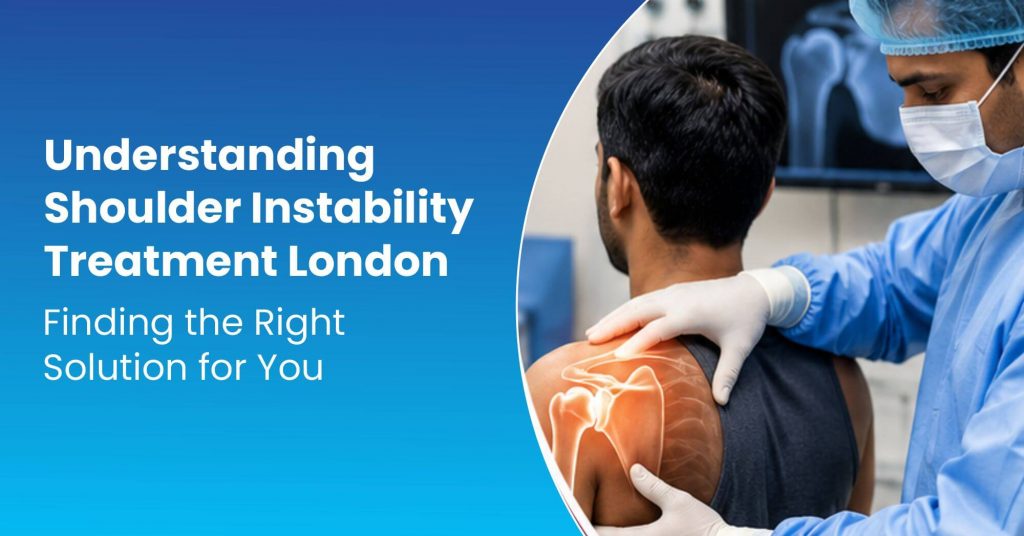
Understanding Shoulder Instability Treatment London: Finding the Right Solution for You
One of the biggest concerns patients have is whether surgery is their only option.
The answer is often reassuring.
Not every unstable shoulder requires an operation. In fact, many people recover well with the right rehabilitation programme, particularly after a first-time dislocation.
The challenge is knowing when rehabilitation is enough and when the shoulder needs additional support.
This is where specialist assessment makes all the difference.
At Align Orthopaedics, the focus is never on recommending surgery simply because an MRI shows damage. Instead, the entire picture is considered.
Questions such as these help guide treatment:
-
How often has the shoulder dislocated?
-
Has physiotherapy improved stability?
-
Are everyday activities becoming difficult?
-
Is the shoulder preventing you from working or playing sport?
-
Has there been further damage to the joint?
Sometimes the answer is continued rehabilitation.
Sometimes surgery provides the best chance of restoring long-term stability.
The important thing is that treatment is based on your shoulder, your lifestyle, and your goals rather than a one-size-fits-all approach.
Private Shoulder Surgery for Instability in London: What Does Surgery Aim to Achieve?
Many people hear the word “surgery” and immediately think about fixing a damaged joint.
In reality, the goal is much bigger than that.
Patients don’t usually seek surgery because of one painful incident.
They seek it because they are tired of living cautiously.
They miss playing golf without hesitation.
They want to throw a ball with their children again.
They want to travel without worrying about lifting luggage into an overhead compartment.
They simply want to stop thinking about their shoulder every single day.
That is what Private Shoulder Surgery for Instability in London is designed to achieve.
Rather than simply repairing damaged tissue, surgery aims to restore stability, improve confidence, and reduce the likelihood of future dislocations. For many patients, it represents the opportunity to move forward instead of constantly managing around the problem.
Why Shoulder Instability Can Affect More Than Just Your Shoulder
Most people think a shoulder injury only causes pain.
In reality, persistent instability has a way of creeping into everyday life.
You stop reaching for objects on high shelves because you don’t trust the joint.
You think twice before carrying heavy shopping bags.
You hesitate before joining friends for a game of tennis or returning to the gym.
Even sleeping comfortably can become difficult if certain positions make the shoulder feel vulnerable.
These changes often happen gradually. Many patients don’t notice how much they’ve adapted until they finally seek specialist advice.
What begins as one injury can slowly become a condition that influences how you work, exercise, and enjoy your free time.
This is why recurring shoulder instability deserves more attention than simply waiting for another dislocation to happen.
Why Does a Shoulder Keep Coming Out of Place?
One of the most common questions patients ask during their consultation is surprisingly straightforward.
“If the first injury healed, why does it keep happening?”
The answer often lies in the structures that keep the shoulder stable.
Unlike the hip, which sits deeply within its socket, the shoulder is designed to move freely in many directions. That incredible range of movement allows us to throw, swim, lift, climb and reach overhead with ease.
The downside is that this freedom comes at the cost of stability.
When the shoulder dislocates, important soft tissues such as the labrum, capsule and supporting ligaments may be damaged. While these structures can heal, they do not always return to their original strength.
For some people, particularly younger and more active individuals, the shoulder becomes increasingly vulnerable to future dislocations.
Each episode can stretch the supporting tissues a little further.
Over time, it becomes easier for the shoulder to slip out again.
This is why repeated shoulder instability should never be ignored.
Without appropriate treatment, recurrent dislocations may increase the risk of additional cartilage damage, bone loss and early joint problems later in life.
Not Every Unstable Shoulder Needs Surgery
One of the biggest misconceptions about shoulder instability is that surgery is inevitable.
In reality, many patients recover well without an operation.
At Align Orthopaedics, treatment always begins with understanding the individual rather than recommending surgery straight away.
Several factors influence the most appropriate treatment, including:
-
How the original injury happened
-
Your age and activity level
-
How many times the shoulder has dislocated
-
Whether instability occurs during everyday activities or only during sport
-
MRI and imaging findings
-
Your long-term goals
For someone who has experienced a single dislocation and is making good progress with physiotherapy, surgery may not be necessary.
On the other hand, someone whose shoulder continues to slip out despite months of rehabilitation may benefit from a different approach.
This balanced decision-making process is one of the reasons many patients choose specialist shoulder care rather than relying on temporary solutions.
What Happens During Your Consultation?
One thing that surprises many patients is how much time is spent talking before anyone discusses surgery.
The consultation begins with understanding your story.
Your specialist will want to know:
-
How the injury first happened
-
Whether the shoulder has dislocated more than once
-
Which movements make it feel unstable
-
What treatment have you already tried
-
Whether your work or hobbies have been affected
-
What you hope to return to after treatment
This conversation is just as important as reviewing scans.
Two patients with similar MRI findings may require completely different treatment because their lifestyles, expectations, and symptoms are very different.
That is why personalised care sits at the centre of every treatment plan at Align Orthopaedics.
Arthroscopic Shoulder Surgery London: A Modern Approach to Shoulder Stabilisation
Orthopaedic surgery has changed significantly over the last decade.
Many shoulder stabilisation procedures can now be performed using Arthroscopic shoulder surgery London, often referred to as keyhole surgery.
Instead of making a large incision, the surgeon works through several very small openings using a camera and specialised instruments.
For suitable patients, this approach offers several potential advantages.
Smaller incisions generally mean less disruption to surrounding tissues.
The surgeon gains an excellent view inside the joint, allowing damaged structures to be assessed with precision.
Many patients also appreciate the smaller scars that result from arthroscopic techniques.
However, it’s important to understand that keyhole surgery isn’t automatically the right choice for everyone.
The most appropriate procedure always depends on the pattern of instability, the extent of tissue damage, and whether bone loss is present.
Choosing the right operation is often more important than choosing the smallest incision.
When Is Bankart Repair Surgery London Recommended?
Following a shoulder dislocation, one of the most common injuries involves the labrum.
This ring of cartilage helps keep the shoulder securely positioned within its socket.
When it tears, the shoulder can become much easier to dislocate again.
For many patients with recurrent instability, Bankart repair surgery London is recommended to repair this damaged tissue and restore stability.
The procedure is commonly performed using arthroscopic techniques.
By repairing the torn labrum and tightening the surrounding capsule where necessary, the shoulder can regain much of the stability lost after injury.
Not every patient requires a Bankart repair.
Some people have additional bone loss or more complex injuries that require alternative procedures.
This is another reason why specialist assessment is so valuable.
The operation should be selected because it suits the patient, not because it is the most commonly performed procedure.
Why Choosing the Right Shoulder Surgeon London Matters
If you’ve been researching treatment online, you’ve probably noticed that many clinics appear to offer similar services.
So, what makes the difference?
Experience.
Shoulder instability is rarely as straightforward as it first appears.
Two patients can have similar scans but completely different reasons for surgery.
A specialist Shoulder surgeon London understands these differences.
Rather than focusing only on imaging, they consider how instability affects daily life, sporting ambitions, occupation, and long- term joint health.
Many patients specifically seek a Shoulder specialist London because they want clear answers instead of uncertainty.
They want someone who treats shoulder conditions every day and understands that successful treatment means more than simply completing an operation.
It means helping patients regain confidence in their movement.
Recovery After Shoulder Stabilization Surgery London: What Can You Expect?
One of the first questions patients ask is, “How long will it take before I feel normal again?”
It’s a sensible question, but the answer is different for everyone.
Recovery isn’t simply about allowing the shoulder to heal. It’s about gradually rebuilding strength, restoring movement and regaining confidence in the joint.
Immediately after surgery, your shoulder will usually be supported in a sling to protect the repair. During this early stage, the priority is giving the tissues time to heal properly.
As healing progresses, physiotherapy becomes an essential part of recovery.
Rather than rushing back to normal activities, rehabilitation follows carefully planned stages. Gentle movement comes first, followed by exercises that improve flexibility, strengthen the shoulder and restore stability.
The most successful outcomes are often achieved by patients who stay committed to their rehabilitation programme and maintain realistic expectations throughout the process.
Returning to Everyday Life After Private Shoulder Surgery London
One of the biggest reasons people choose Private shoulder surgery London is the opportunity to return to the activities they have gradually stopped enjoying.
For one patient, success might mean lifting their child without hesitation.
For another, it could be returning to tennis, golf or swimming.
Someone else may simply want to sleep comfortably without worrying about their shoulder slipping out of place during the night.
Returning to these activities doesn’t happen overnight.
Your recovery plan will depend on several factors, including:
-
The type of procedure performed
-
The quality of the repaired tissues
-
Your overall health
-
Your commitment to physiotherapy
-
The physical demands of your work or sport
Rather than following a fixed timeline, your specialist will guide you based on how your shoulder is progressing.
That personalised approach helps reduce unnecessary risks while giving you the best chance of achieving a successful long- term outcome.
Private Shoulder Surgery for Instability in London: Why Early Assessment Matters
One mistake many people make is assuming repeated shoulder dislocations are simply something they have to live with.
Unfortunately, that isn’t always the case.
Every episode of instability has the potential to cause further damage to the structures that keep the shoulder stable.
Over time, this can increase the complexity of treatment.
Seeking specialist advice early doesn’t automatically mean surgery will be recommended.
In fact, many patients are relieved to discover that a structured rehabilitation programme remains the best option.
However, if surgery is appropriate, identifying the problem sooner rather than later may help protect the joint from further injury and improve long-term outcomes.
That is why Private Shoulder Surgery for Instability in London should never be viewed simply as an operation.
It is part of a wider treatment journey that begins with understanding the cause of the problem and identifying the most appropriate solution.
Why Patients Choose Align Orthopaedics
Choosing where to receive treatment is a personal decision.
-
Patients want more than excellent surgical expertise.
-
They want reassurance.
-
They want honest conversations.
-
They want to understand their options without feeling pressured towards one particular treatment.
At Align Orthopaedics, that philosophy shapes every stage of the patient journey.
From your first consultation through rehabilitation, the focus remains on providing personalised care that reflects your individual goals and lifestyle.
Our multidisciplinary team works closely together to ensure every patient receives consistent support throughout their treatment.
Whether your goal is returning to competitive sport, enjoying an active retirement, or simply moving without fear of another dislocation, every recommendation is tailored to help you achieve the best possible outcome. This commitment to specialist care, advanced techniques, and compassionate communication is why many patients trust Align Orthopaedics when seeking shoulder treatment London.
Frequently Asked Questions
1. When should I consider Private Shoulder Surgery for Instability in London?
If your shoulder continues to dislocate, feels unstable despite physiotherapy or is limiting your daily activities, specialist assessment can help determine whether surgery is the most appropriate treatment.
2. What Is Shoulder Instability Treatment London?
Treatment depends on the cause and severity of instability. It may include physiotherapy, activity modification, rehabilitation, or surgery for patients with recurrent instability.
3. Is Arthroscopic Shoulder Surgery London Suitable for Everyone?
Not always. Arthroscopic or keyhole surgery is appropriate for many patients, but the best procedure depends on the pattern of instability and the condition of the shoulder.
4. How Long Does Recovery Take After Shoulder Stabilization Surgery London?
Recovery varies depending on the procedure performed and the individual’s healing. Most patients progress through a structured rehabilitation programme over several months.
5. Can Surgery Prevent Future Shoulder Dislocations?
While no procedure can guarantee that another dislocation will never occur, surgery aims to significantly improve stability and reduce the likelihood of recurrent episodes for appropriately selected patients.
6. Why Choose Align Orthopaedics for Shoulder Treatment London?
Align Orthopaedics combines specialist expertise, personalised care and modern treatment techniques to help patients regain confidence, improve shoulder function and return to the activities that matter most.