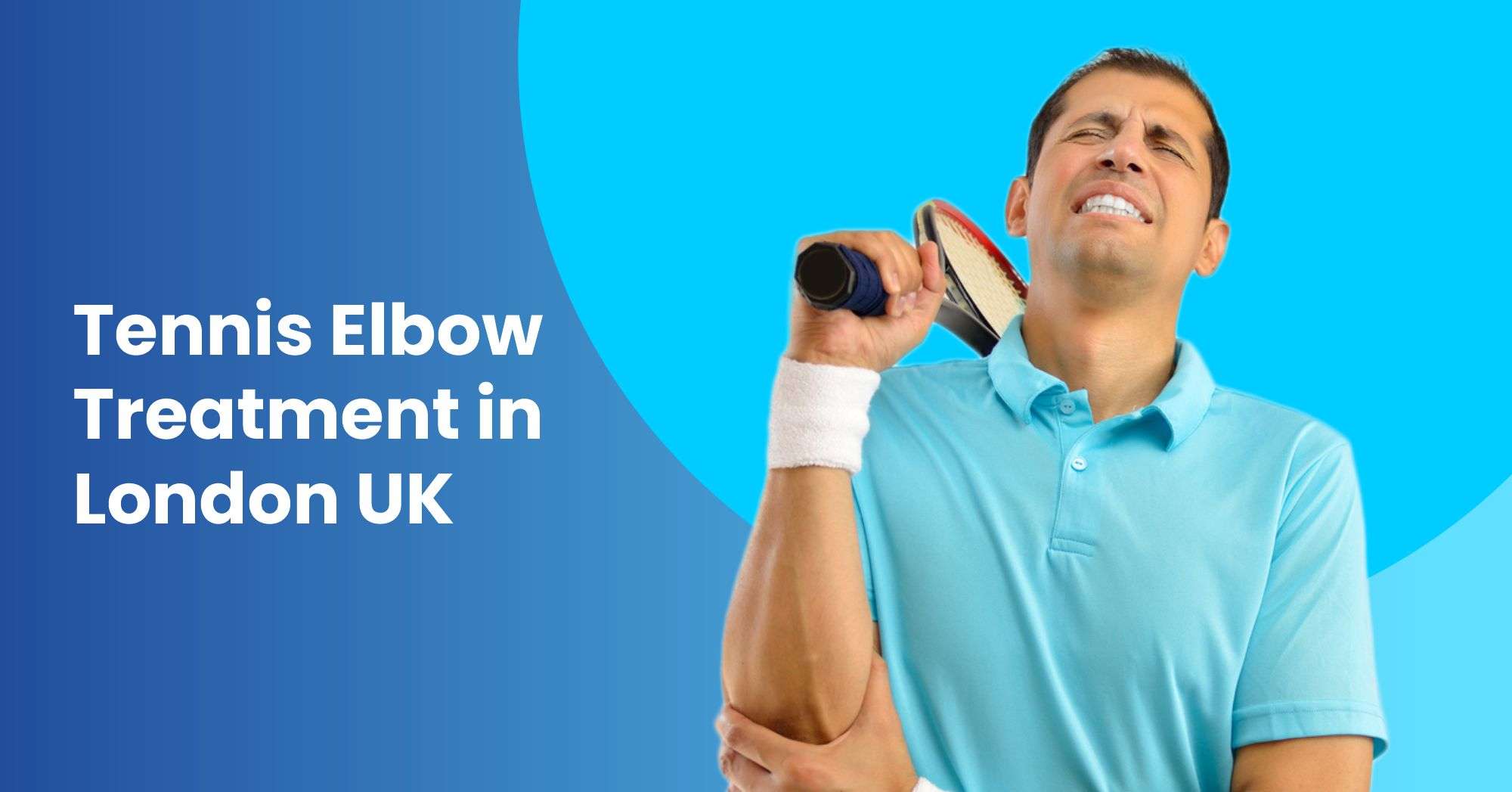
Are you experiencing constant pain on the outside of your elbow? Is the severe pain making your everyday activities difficult? Yes. Situations can arise where you might face difficulty opening a door, shaking hands, or holding some items in your hands.
Tennis Elbow Treatment in London UK: Get Professional Care for Lasting Elbow Pain Relief
All can cause uneasiness or irritation in your hand. Some of the people assume that the symptoms are caused by temporary damage, but ongoing pain on the outside of the elbow is often a sign of tennis elbow. It is a common tendon condition that needs an accurate diagnosis and suitable treatment for long-lasting relief.
Align Orthopaedics is here to serve you with professional Tennis elbow treatment in London. The team of professional upper limb specialists can assist you in finding out the underlying cause of the pain. The clinic offers comprehensive diagnosis, personalised rehabilitation programmes, and advanced non-surgical and surgical treatment options.
This guide explains all the information on tennis elbow treatment in London. You can find information on the symptoms, causes, methods of treatment and recovery time period.
Basis Of Tennis Elbow
Tennis elbow is medically known as ‘lateral epicondylitis’. It is a medical situation where the tendons are affected. These tendons are attached to the outer side of the elbow. These tendons connect the forearm muscles responsible for gripping activities and wrist extension. Instead of the name, tennis elbow is not restricted to tennis players. Moreover, many people who develop the condition have never played racket sports.
The condition takes place where repetitive stress causes microscopic harm within the tendon. It is all about a simple inflammatory issue; many chronic cases involve tendon degeneration and failed healing responses.
A professional tennis elbow specialist London focuses on finding out the severity of tendon damage. It is about selecting the most suitable treatment approach.
Why Is It Called Tennis Elbow?
Does the pain feel as though it travels from your elbow down into the forearm? This is the prime reason why people, even doctors, call it Tennis elbow. This is the prime reason the term ‘Tennis elbow treatment London’ is commonly looked for.
Instead of being restricted to the elbow, the level of uneasiness can spread along the outer forearm. The pain is highly noticeable or increased at the time of lifting, twisting, gripping, or repetitive hand movements. As the medical condition progresses, even regular tasks can become painful; exercise and even routine activities can gradually become difficult.
Common Symptoms of the Medical Issues
The symptoms commonly develop gradually and worsen over time.
Common signs are:
-
Sense of pain on the outside of the elbow
-
Tenderness over the bony prominence
-
Pain happens during gripping activities
-
Weak grip strength
-
High pain when lifting objects
-
Uneasiness when turning a key or opening jars
-
Pain while using a machine
-
Forearm aching
-
Reduced arm endurance
Many patients observe that easy activities become gradually more painful, mainly when the wrist is extended or the forearm is rotated.
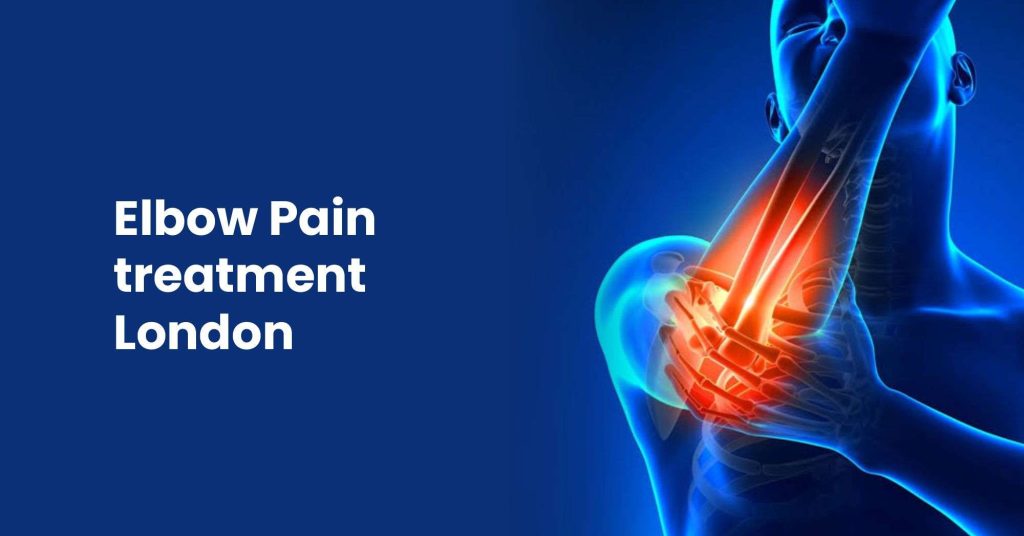
Specialist elbow pain treatment London focuses not just on reducing pain but also on restoring normal function and strength.
Who Can Develop Tennis Elbow?
Tennis elbow primarily affects adults who are over the age of 35. As a matter of fact, it can happen at any age.
The high possibilities are associated with:
-
Office workers
-
Computer users
-
Cleaners
-
Hairdressers
-
Chefs
-
Gym users
-
Golfers
-
Builders
-
Electricians
-
Plumbers
-
Carpenters
-
Gardeners
-
Racquet sport players
-
Musicians
A professional elbow specialist London will often classify occupational or sporting factors as adding to the condition.
What Causes Tennis Elbow?
Tennis elbow commonly happens when the tendons are placed under repeated pressure. The condition is not always linked to playing tennis. Moreover, patients develop symptoms through work, hobbies, or regular activities that engage repeated use of the wrist and forearm.
The tendons can become irritated when they are subjected to regular gripping, twisting of the hand, lifting, or constant movement of the wrist. In the meantime, the repeated strain may cause microscopic tendon damage that exceeds the body’s ability to repair itself successfully.
Common activities that cause the problem:
-
Office employees who spend 7-8 hours typing or using a mouse
-
Mechanics who use tools regularly
-
People who do gardening for longtime
-
Gym users who do repetitive upper-body exercises
-
Players who play badminton and golf
-
Individuals who unexpectedly increase their activity levels
In many patients, symptoms develop slowly instead of with an accidental injury. Normally, the mild discomfort may be overlooked for weeks or months, but the pain soon becomes more persistent. It is better to seek early assessment and treatment. It can prevent the condition from progressing into chronic tendon collapse.
Why Early Treatment Can Make a Considerable Difference
Many people continue working, exercising, or playing sports regardless of elbow pain. They hope that the pain will surely disappear on its own. Unfortunately, tennis elbow often becomes more difficult to treat when you spend a long time with the pain.
What starts as mild discomfort during gripping or lifting? It can steadily progress into regular pain and reduced hand strength. The longer the tendons stay under repeated strain, the greater the possibility that the tissue will undergo degenerative changes instead of just inflammation.
Seeking early treatment can improve the chances of recovery with non-surgical treatment. Physiotherapy, modification of activity, tendon rehabilitation, and other conventional treatments are commonly more successful when initiated before the condition becomes long-standing. Early examination by a tennis elbow specialist London can also assist in determining the severity of the issue. They can create a treatment plan that helps prevent symptoms from progressing.
How The Medical Condition of Tennis Elbow Can Be Diagnosed
A specialist will generally diagnose tennis elbow through a comprehensive consultation and physical examination.
The Assessment May Include:
-
A doctor will look into the symptoms and medical history.
-
Evaluation of the precise location of elbow pain.
-
Assessment of activities that trigger or worsen symptoms.
-
Examination of grip power and forearm function.
-
Wrist and finger testing movements against resistance.
-
Assessment of tenderness around the outer elbow.
-
Evaluation of elbow movement and complete joint function.
-
Assessment to rule out other causes of elbow pain.
Imaging tests may be advised in some cases, chiefly when symptoms are severe, persistent, or unusual.
More investigations include:
-
Ultrasound to examine tendon degeneration and inflammation.
-
MRI scans to assess tendon damage and surrounding structures.
-
X-rays to exclude fractures, arthritis, or even other joint conditions.
Options For Non-Surgical Tennis Elbow Treatment in London
There are lots of non-surgical treatment options available for patients.
Make Changes in Regular Life
The patient needs to make a few changes in their lifestyle. These changes can be:
-
Temporary decrease of aggravating activities
-
Ergonomic workplace adjustments
-
Changes in lifting heavy things
-
Modifications in sporting technique
If it is possible, you should go for complete rest. Controlled activity modification can really work out for you.
Physiotherapy
Tennis elbow therapy is considered one of the most helpful treatments for long-term recovery.
The physiotherapy primarily focuses on:
-
Performing eccentric strengthening exercises
-
Wrist extensor strengthening
-
Grip strengthening and improving flexibility in the forearm
-
Shoulder and upper limb rehabilitation
-
Biomechanical improvement
-
Progressive loading programmes
A rehabilitation plan by an expert is commonly better than random home exercises.
Bracing and supports
Counterforce braces can be used to decrease tendon loading during activities.
-
It gives support to the wrist and reduces stress on the affected tendon.
-
Braces are commonly used as part of a wider rehabilitation programme instead of a standalone treatment.
Pain management
To manage the unbearable pain, the doctor can advise you to take:
-
Topical anti-inflammatory medication
-
Oral pain medication when suitable
-
Ice therapy
-
Heat therapy in chosen cases
Medication may manage symptoms but does not commonly address the underlying tendon deterioration.
Advanced Non-Surgical Treatments
For persistent symptoms, extra treatment choices may be considered.
-
Image-guided injections
-
Tendon needling procedures
-
Shockwave therapy
-
Platelet-rich plasma (PRP)
-
Other regenerative treatment approaches
The appropriateness of these treatments varies based on tendon quality, symptom duration, past treatments, and individual patient factors.
A private elbow clinic in London can give a comprehensive assessment of whether these options are suitable for you.
When Should You Follow Up After the Tennis Elbow Surgery?
Surgery is commonly considered just after the complete failure of the non-surgical treatment.
An orthopaedic elbow surgeon London may talk about surgery when:
-
Symptoms remain for 1 year or longer
-
Pain stays severe despite rehabilitation
-
Grip strength is considerably reduced
-
Regular activities are considerably limited
-
Imaging shows significant tendon degeneration
-
Conservative treatment has been wholly explored
Only 10 per cent of patients really need surgery.
Tennis Elbow Surgery London
The goal of tennis elbow surgery London is to take out the damaged tendon tissue and stimulate healing.
There are several surgical techniques offered.
Tennis Elbow Release Surgery London
The common process is tennis elbow release surgery London. It may include:
-
Taking out the degenerated tendon tissue
-
Stimulating healing
-
Releasing the diseased tendon portion
-
Repairing the strong tendon when necessary
-
Addressing linked elbow pathology
Minimally Invasive Techniques
These techniques are appropriate for patients who have long-term problems.
Potential benefits may include:
-
Smaller incisions
-
Disruption of less soft tissue
-
Earlier rehabilitation
-
Reduced postoperative uneasiness
-
Quick return to function in selected cases
The choice of open and arthroscopic techniques varies on the individual case and the assessment by the surgeon.
Process To Follow Up at the Time of Surgery
The process is normally carried out under regional or general anaesthesia.
Typical steps comprise:
-
Finding out the damaged tendon tissue
-
Removal of degenerated tissue
-
Tendon repair or release
-
Treatment of linked abnormalities
-
Closure of the incision
The majority of the procedures are performed as day-case surgery. This lets patients come back home the same day.
Recovery After Tennis Elbow Surgery
No doubt, recovery after the surgery is gradual and includes the planned rehabilitation.
Different stages of the surgery include:
First Few Weeks
-
Control of Pain
-
Healing of the wound
-
Gentle movement exercises
2-6 weeks
-
Increasing mobility of the elbow
-
Light functional activities
-
Early strengthening
6-12 weeks
-
Progressive strengthening
-
Treatment of Grip
-
Make a comeback to many normal activities
3-6 months
-
Advanced strengthening
-
Return to sport
-
Return to heavy manual work
Recovery times differ according to the damage to the tendon, surgical technique, job, and following the rehabilitation.
Selecting The Best Tennis Elbow Specialist in London
When looking for specialist treatment, consider:
Proficient in handling elbow disorders
Upper limb orthopaedic training
Experience treating chronic tendon conditions
Comprehensive rehabilitation services
Access to advanced imaging
Minimally invasive surgical expertise
Individualised treatment planning
The best tennis elbow specialist London – Align Orthopaedics typically focuses on an exact diagnosis. They aim to provide evidence-based treatment and not put high stress on opting for surgery as the first option. Visit https://alignorthopaedics.co.uk/ for more information.
FAQs
What Is Tennis Elbow?
Tennis elbow refers to tendon damage that causes pain in the outer elbow.
Who Should Go for the Tennis Elbow Treatment?
A person who is suffering from long-term elbow pain for the long term and reduced grip strength should go for the treatment.
Is Physiotherapy Effective in Relieving the Pain?
Yes, proper physiotherapy exercises performed by an expert can be helpful in reducing the pain. It can also be helpful for proper function.
When Is Surgery Required?
Surgery becomes compulsory when you have pain for more than 1 year.
Who Should I Consult?
A tennis elbow specialist or an orthopaedic elbow surgeon in London can help diagnose and cure the condition successfully.