Foot pain can make our regular activities difficult. A person faces problems in walking, standing, and exercising. Bunion Hallux Valgus is one of the common reasons. It is a progressive deformity that causes the big toe to move out of alignment, result into pain, swelling and reduced mobility.
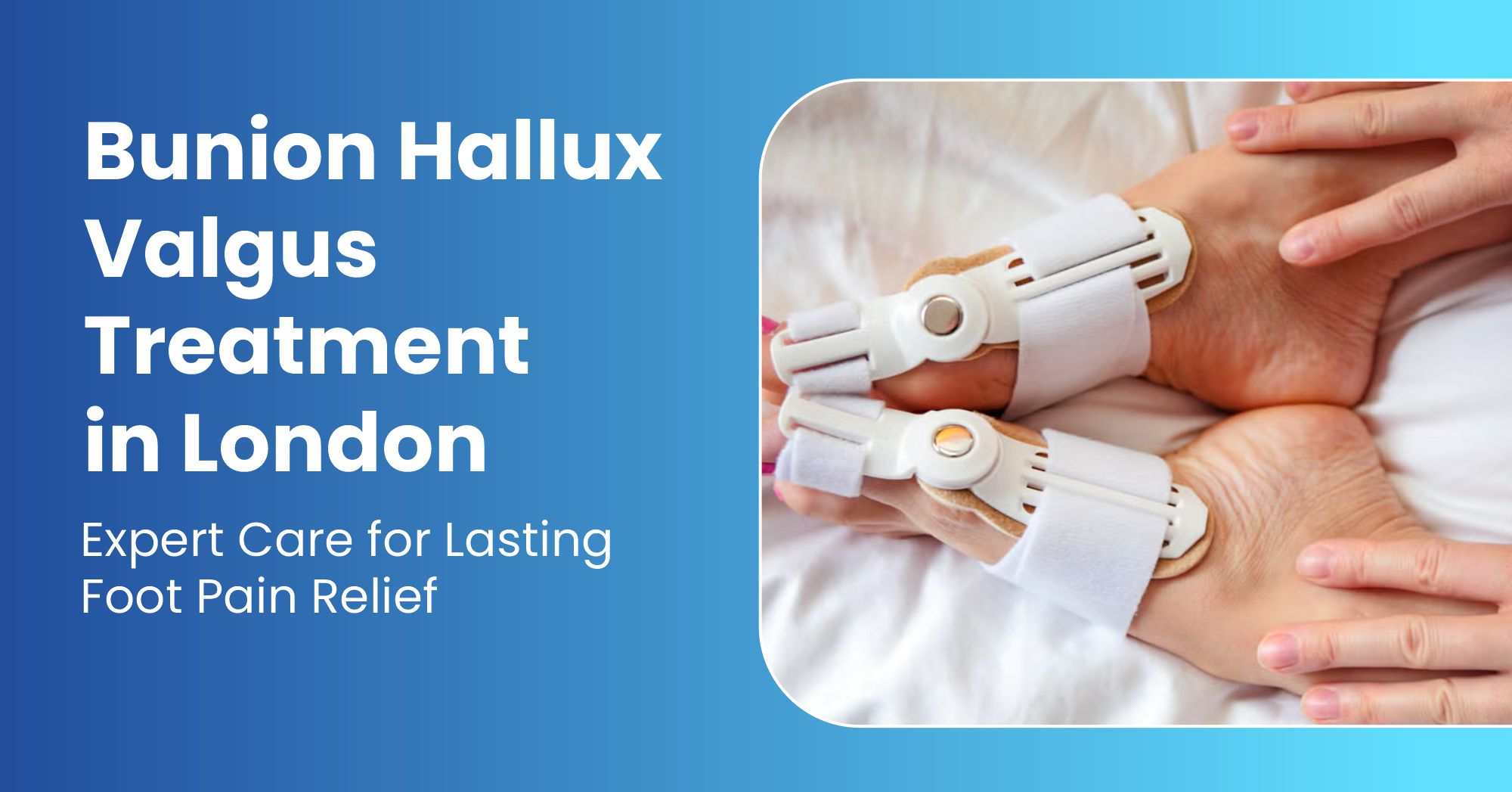
Bunion Hallux Valgus Treatment in London: Expert Care for Lasting Foot Pain Relief
Early bunion hallux valgus treatment in London can be helpful in preventing the condition from getting worse. If you need conservative care or even minimally invasive bunion surgery in London, Align Orthopeadics is ready to give you the most professional solutions from the ankle specialist in London. The team of professionals can assist you in relieving the pain and restoring the function of the body.
This guide will help everyone to know about bunions. You can also collect information on the causes, symptoms, diagnosis and treatment options. More information on the surgery is also discussed.
About Bunion Hallux Valgus
It is a deformity that directly affects the joint at the base of the big toe. It develops when the big toe steadily shifts towards the second toe. It causes the joint to protrude outward. It forms a visible bony bump on the side of the foot.
After some time, the joint turns quite unstable and results in pain. It also results in inflammation, stiffness, and problems with walking.
The problem is commonly observed in women due to footwear choices and inherited foot structure. Meanwhile, some of the men and even teenagers can develop hallux valgus under specific conditions.
Seeking hallux valgus treatment in London at an early stage can slow the progression of the deformity. Once the time gets over, surgery becomes the last option.
What Causes Bunions?
There are several reasons for Bunions. The common causes include:
Genetics
Lots of people inherit a foot structure that increases the chance of developing bunions. Flat feet and loose ligaments are other reasons.
Wrong selection of Footwear
Shoes with narrow toe boxes or even pointed designs give extreme pressure on the forefoot.
Arthritis
Inflammatory joint issues like rheumatoid arthritis can directly affect the joints.
Foot Injuries
Earlier fractures, ligament injuries, or trauma directly affecting the foot can change its alignment.
Repetitive Stress
Sports or job give repeated pressure on the feet may speed up bunion development. It is mainly seen in people with underlying structural abnormalities.
A thorough evaluation by a bunion specialist in London assists in identifying the underlying cause. It can help in finding out the most appropriate treatment approach.
Common Symptoms of Hallux Valgus
-
Bump on the side of the big toe joint
-
Pain during standing or walking
-
Swelling and redness around the joint
-
Stiffness in the big toe
-
Problems wearing regular footwear
-
Corns between the first and second toes
-
Reduced flexibility of the big toe
-
Numbness due to pressure on covering nerves
-
Changes in walking pattern caused by pain
Follow-up with early foot pain treatment in London can relieve symptoms before permanent joint damage develops.
How to diagnose Hallux Valgus?
An accurate diagnosis is essential to find out the severity of the deformity and find out the most effective treatment plan.
During a bunion consultation in London, your expert will typically:
Your doctor will review:
-
When symptoms in the patient first appeared
-
Previous foot injuries
-
Family history of bunions
-
Regular activity levels
-
Kinds of footwear commonly worn
-
Perform a Physical Examination
Your orthopaedic foot surgeon in London will assess:
-
Toe alignment
-
Joint movement
-
Walking pattern
-
Foot stability
-
Areas of tenderness
-
Imaging Tests
Is it possible to treat Bunions without Surgery?
Yes. Many patients achieve noteworthy symptom relief through conservative treatment, mainly when bunions are diagnosed early. The objective of non-surgical treatment is to cut down the pain and improve comfort. It is also helpful in slowing the progression of the deformity and assisting patients in remaining active.
Orthotic Insoles
Custom orthotic devices assist in redistributing pressure across the foot. They can improve alignment and give extra support while walking. Patients with flat feet or abnormal biomechanics frequently benefit significantly from proficiently fitted orthotics advised by a foot surgeon in London.
Padding and Splints
The use of protective bunion pads can be helpful in cutting down friction. It assists you in reducing irritation and inflammation. Night splints may also help in keeping the toe aligned during sleep. However, they cannot permanently correct the deformity.
Non-Surgical Bunion Hallux Valgus Treatment in London
Consider the fact that not every bunion needs surgery. If a condition is diagnosed early, many patients can productively handle their symptoms with simple treatments. They can reduce the pain and improve mobility. However, the treatments cannot reverse the bunion; they can considerably improve ease and assist you to continue your daily activities.
A personalised treatment plan created by a foot and ankle specialist in London will depend on the severity of your bunion, your lifestyle, age, activity level, and overall foot health.
Custom Orthotics
Custom-made orthotic insoles are helpful for the natural structure of the foot. Patients with flat feet or abnormal biomechanics can benefit from the orthotic devices. They are prescribed by a foot surgeon in London.
Physiotherapy
It can play an important role in handling the early symptoms of bunions. Regular exercise can improve foot function. Consider the fact that physiotherapy cannot correct the underlying deformity. But, in reality, it has the ability to decrease discomfort and improve mobility.
Pain Management
If you are suffering from pain, your specialist may recommend Anti-inflammatory medication, Ice therapy, activity modification and highly protective bunion pads. These measures can give temporary relief but don’t stop the progression of hallux valgus.
When Is Bunion Surgery Recommended?
However, when all treatments fail in managing mild to moderate symptoms, surgery would be the last option. The final decision to undergo surgery depends completely on the severity of symptoms instead of the look of the bunion alone.
Types of Bunion Surgery
A professional orthopaedic foot surgeon in London will advise the most appropriate procedure after a detailed clinical assessment and imaging studies.
Osteotomy
It is one of the commonly used procedures for bunion correction where the surgeon carefully cuts and realigns the metatarsal bone. The operated alignment restores the normal position of the big toe.
Exostectomy
Exostectomy removes the top bony bump to ease pain and improve footwear comfort. However, it is commonly combined with other corrective procedures as it doesn’t correct the underlying bunion deformity.
Arthrodesis
Patients who are suffering from severe arthritis or even suffering from joint damage may benefit from joint fusion. Here, the damaged cartilage is expected to be removed, and the affected joint is fused on a permanent basis.
Lapidus Procedure
The Lapidus procedure is advised for patients who have unstable joints at the base of the first metatarsal. This improves long-term stability. It is mainly helpful for patients who have hypermobile joints or regular bunions.
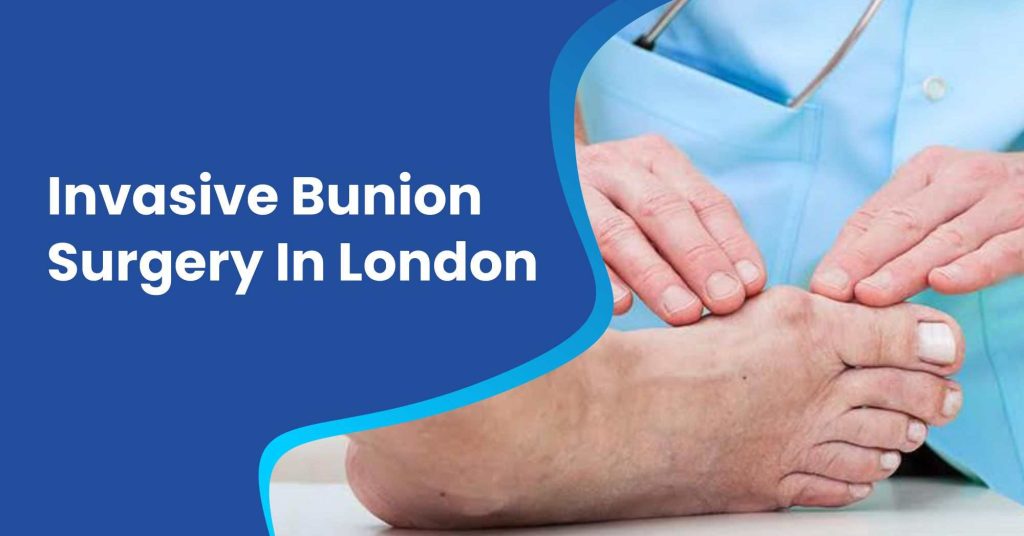
Minimally Invasive Bunion Surgery in London
Advances in treatment options available in orthopaedic techniques have changed the treatment of hallux valgus. Keep in mind that not every patient is suitable for the minimally invasive surgery. The surgeon will first examine if the technique is suitable for your bunion.
If the surgery is performed by a professional best bunion surgeon in London, surgical correction gives high success rates and long-lasting outcomes.
Choosing the Right Specialist
To get the best and most successful treatment, an experienced specialist is required. Choosing an experienced and professional orthopaedic foot surgeon in London ensures that every aspect of your care is designed to your individual needs. It helps achieve the best possible results.
Recovery
Recovery after bunion removal surgery in London is important for faster healing. It is essential to follow the instructions shared by the surgeon. It will help you achieve better results.
Immediately After Surgery
Following surgery, the foot will be protected with a dressing or surgical boot to assist the corrected alignment. It allows the soft tissues and the bones.
Recovery Timeline
Consider the fact that recovery varies for each patient. Most people wear a surgical shoe for the first few weeks. However, complete healing, reduced swelling, and final foot shape may take up to 1 year.
Why Choose Private Bunion Treatment in London?
Some of the patients choose private bunion treatment in London as it gives quicker access to specialist care, advanced diagnostic services and customised treatment plans. If you need some conservative care or even advanced hallux valgus surgery in London, receiving treatment from a professional specialist can make a noteworthy difference to your recovery and long-term foot fitness.
Why early treatment matters
Many people delay seeking treatment as they assume the bunions are just a cosmetic issue or an inevitable part of ageing. However, bunions are a progressive condition that often improves without suitable care.
Planning a bunion consultation in London at the first sign of symptoms permits your specialist to propose the most effective treatment before the condition becomes more advanced.
If someone is suffering from foot pain, don’t wait for the condition to worsen. Consulting a professional orthopaedic foot surgeon in London at Align Orthopeadics is ready to give you the most professional solutions. Get ready to restore your feet to relieve the pain.
Frequently Asked Questions
1. When Should a Person Think About Bunion Surgery?
This surgery in London is commonly recommended when pain increases with walking, daily activities and even footwear choices. Moreover, it is advised when non-surgical treatments no longer provide sufficient relief. The doctor will first look into the problem and give the best treatment.
2. Is Minimally Invasive Bunion Surgery a Good Alternative to Traditional Surgery?
The surgery in London comes with numerous benefits. Smaller incisions are a top benefit. It can cut down the soft tissue damage, reduce post-operative pain, and allow a quicker recovery for appropriate patients. However, the best approach varies on the severity of your bunion and the complete foot health.
3. How Long Does Recovery from The Surgery Take?
The majority of patients return to their routine within 6 to 8 weeks. However, a doctor suggests that the recovery might take 6 months to 1 year, as per the age of the patient. Your surgeon can share a customised rehabilitation plan to assist the recovery.
4. Can A Bunion Come Back After Surgery?
No doubt, modern surgical techniques have a high success rate. However, a return is even possible in some cases. Following your surgeon’s advice, wear supportive footwear, and attend follow-up appointments. It can assist to cut down the possibility of the bunion returning.
5. How Do I Know If I Require Seeing A Foot Expert?
If you have constant pain around your big toe joint, problems in wearing shoes, swelling, or changes in the position of your toe, it’s suggested to book a bunion consultation in London with a foot and ankle specialist in London. It is better to go for early diagnosis and treatment. It can save you from an unwanted condition from worsening.